

Ecological inferences about marine mammals from passive acoustic data.
Biological Reviews. 2023.
98:1633–1647
More details
Collapse details
Date Published:
Publication:Methods:
- May 4, 2023
Monitoring on the basis of sound recordings, or passive acoustic monitoring, can complement or serve as an alternative to real-time visual or aural monitoring of marine mammals and other animals by human observers. Passive acoustic data can support the estimation of common, individual-level ecological metrics, such as presence, detection-weighted occupancy, abundance and density, population viability and structure, and behaviour. Passive acoustic data also can support estimation of some community-level metrics, such as species richness and composition. The feasibility of estimation and certainty of estimates is highly context dependent, and understanding the factors that affect the reliability of measurements is useful for those considering whether to use passive acoustic data. Here, we review basic concepts and methods of passive acoustic sampling in marine systems that often are applicable to marine mammal research and conservation. Our ultimate aim is to facilitate collaboration among ecologists, bioacousticians, and data analysts.
Complete
Behavioral Response Research Evaluation Workshop II (BRREW II)
Project Objectives
Response
Current
Marine Mammal Sightings During CalCOFI Cruises
Project Objectives
Determine what species and populations of marine mammals are present in Southern California and estimate the abundance and density across seasons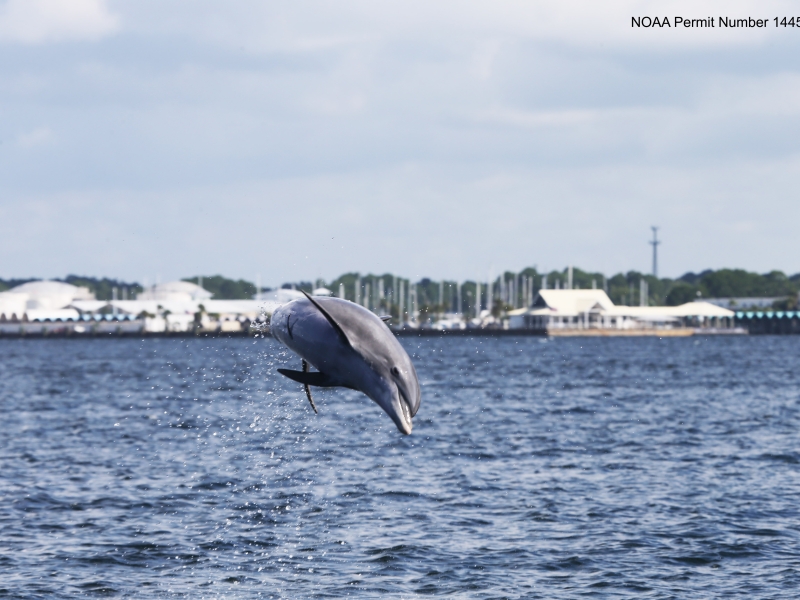
Panama City Dolphin Survey Complete!
August 12, 2015
Bottlenose dolphin photo ID efforts in Florida
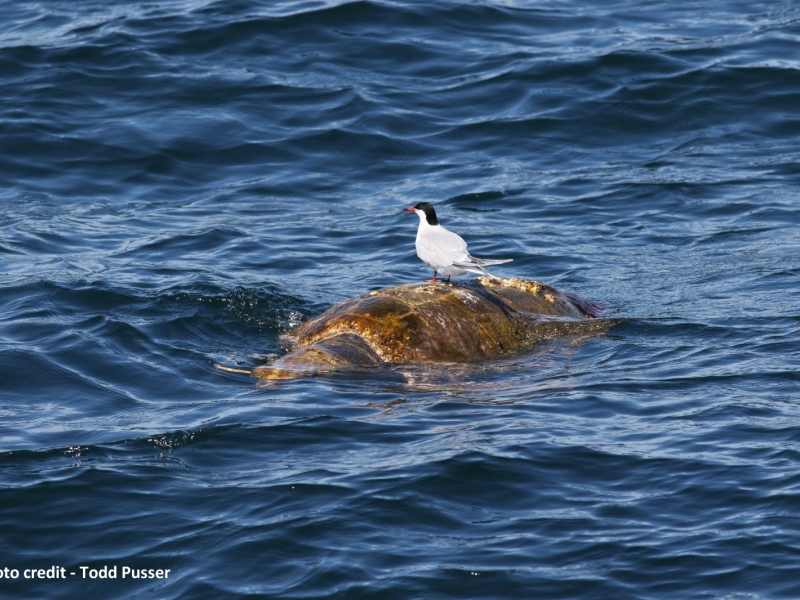
Great Day for a Mid-Atlantic Offshore Survey
April 20, 2015
Pelagic cetaceans and sea turtle sightings.
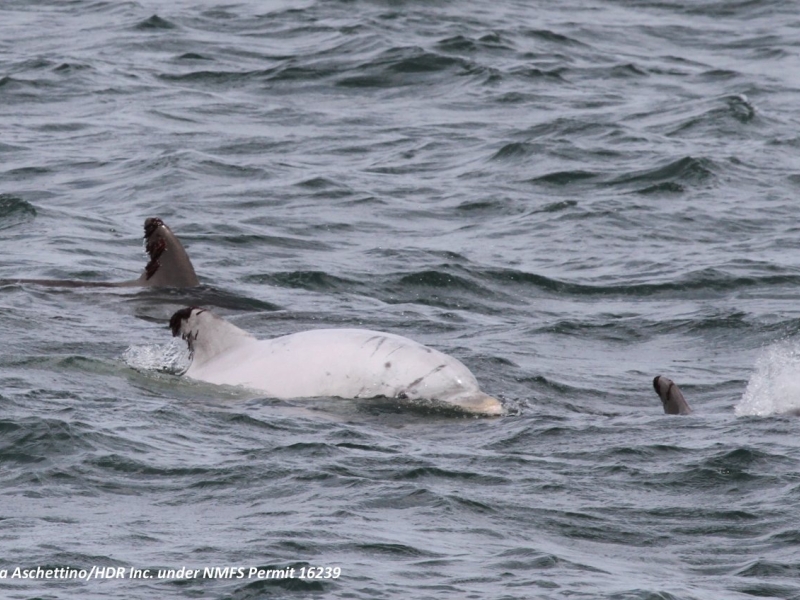
White “Leucistic” Bottlenose Dolphin Seen on Marine Mammal Survey
October 30, 2014
Leucism, like albinism, is a genetic condition that results in a lack of pigmentation in the skin.
No related presentations or posters to display
