
Ecological inferences about marine mammals from passive acoustic data.
Biological Reviews. 2023.
98:1633–1647
More details
Collapse details
Date Published:
Publication:Methods:
- May 4, 2023
Monitoring on the basis of sound recordings, or passive acoustic monitoring, can complement or serve as an alternative to real-time visual or aural monitoring of marine mammals and other animals by human observers. Passive acoustic data can support the estimation of common, individual-level ecological metrics, such as presence, detection-weighted occupancy, abundance and density, population viability and structure, and behaviour. Passive acoustic data also can support estimation of some community-level metrics, such as species richness and composition. The feasibility of estimation and certainty of estimates is highly context dependent, and understanding the factors that affect the reliability of measurements is useful for those considering whether to use passive acoustic data. Here, we review basic concepts and methods of passive acoustic sampling in marine systems that often are applicable to marine mammal research and conservation. Our ultimate aim is to facilitate collaboration among ecologists, bioacousticians, and data analysts.
Complete
Behavioral Response Research Evaluation Workshop II (BRREW II)
Project Objectives
Response
Current
Monitoring Cetaceans in Hood Canal
Project Objectives
This 12‑month integrated pilot project combines three complementary components: (A) shore‑based theodolite monitoring of harbor porpoises, (B) high‑bandwidth passive acoustic monitoring and soundscape characterization, and (C) suction‑cup multi‑sensor tag deployments on Bigg’s (transient) killer whales. Together, these data streams will quantify occurrence, movement, diving, and behavioral context for these two key species in relation to the local soundscape—including operational signals near the Dabob Bay Range Complex (DBRC) and the Bangor Trident Base. Results can provide an empirical foundation and inform the study design of future cetacean behavioral response studies (BRS) in Hood Canal.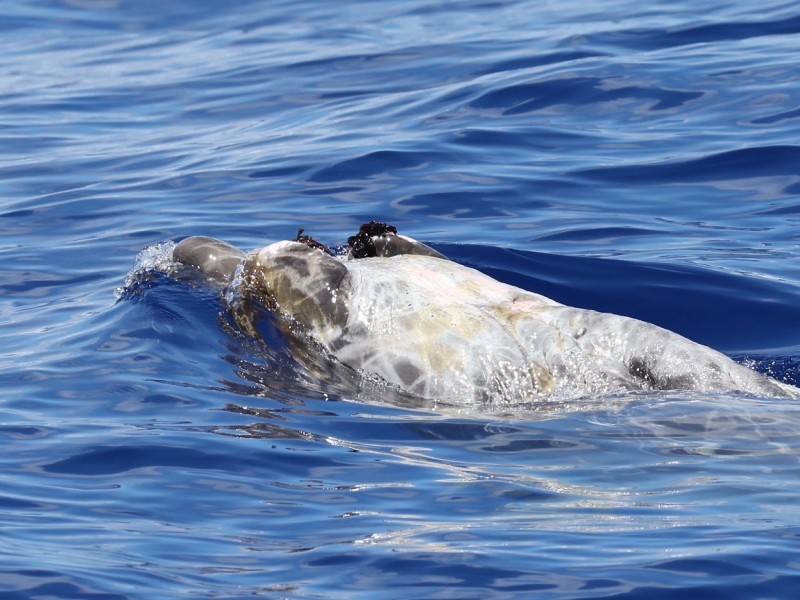
Kaua‘i field project - August 2026
August 25, 2026
Researchers from Cascadia Research Collective are conducting a 9-day field session off Kaua'i to deploy LIMPET satellite tags on odontocete cetaceans prior to a Submarine Command Course (SCC) to be able to examine their behavior before, during, and after the training event. Click on the image below to see daily updates from the field.
Another CEE Trial – and Gervais’ beaked whales!
August 10, 2026
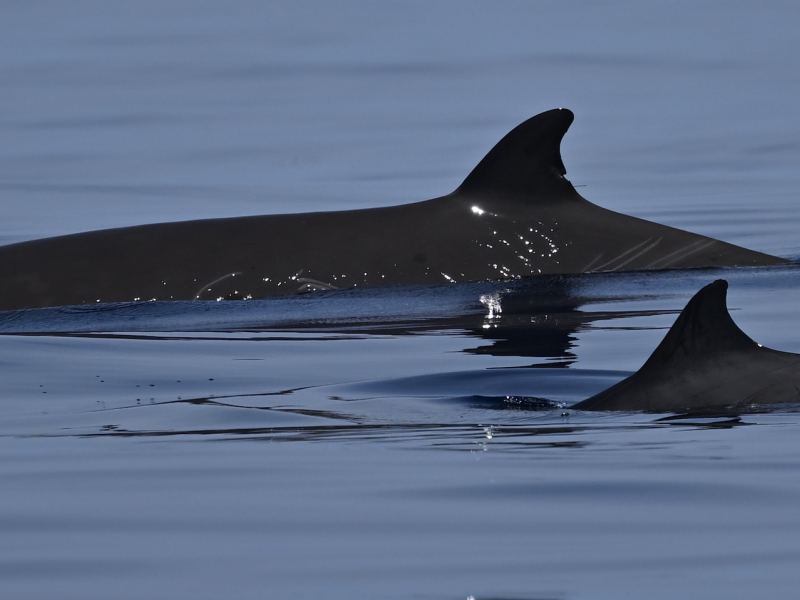
A second controlled exposure experiment trial with simulated Continuously Active Sonar (CAS) was conducted on August 1. In addition to the usual goose-beaked whales, we also had a sighting of less common Gervais' beaked whales.
First CEE Trial of 2026 – and False Killer Whales
July 23, 2026
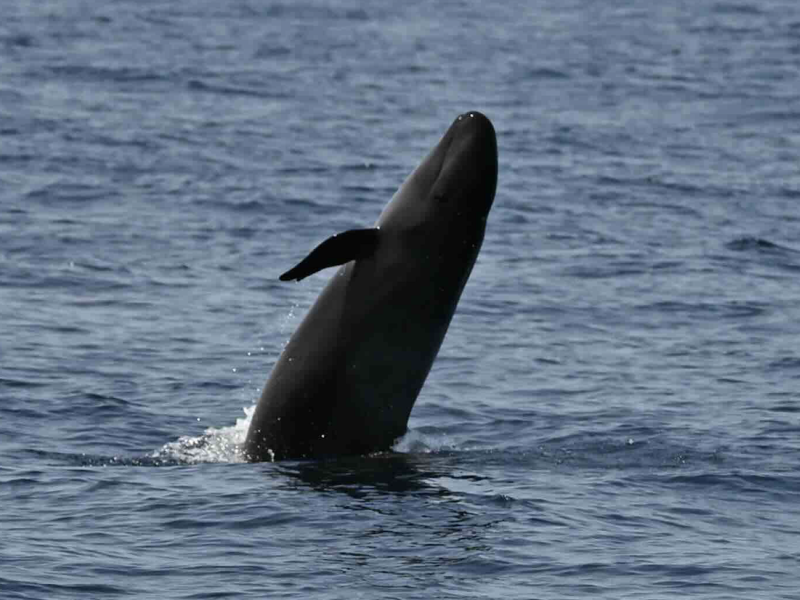
The Atlantic BRS team had an extremely productive day on Friday, July 17th with tags deployed on both false killer whales and goose-beaked whales, as well as a successful controlled exposure experiment with simulated Continuous Active Sonar signals.
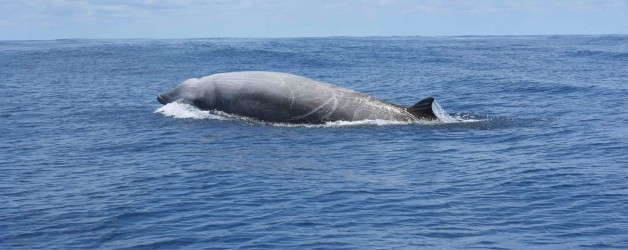
Atlantic BRS - First CEE of 2021
August 9, 2021
A team of researchers and Navy staff recently completed the first controlled exposure experiment of the 2021 field season for the Atlantic Behavioral Response Study.
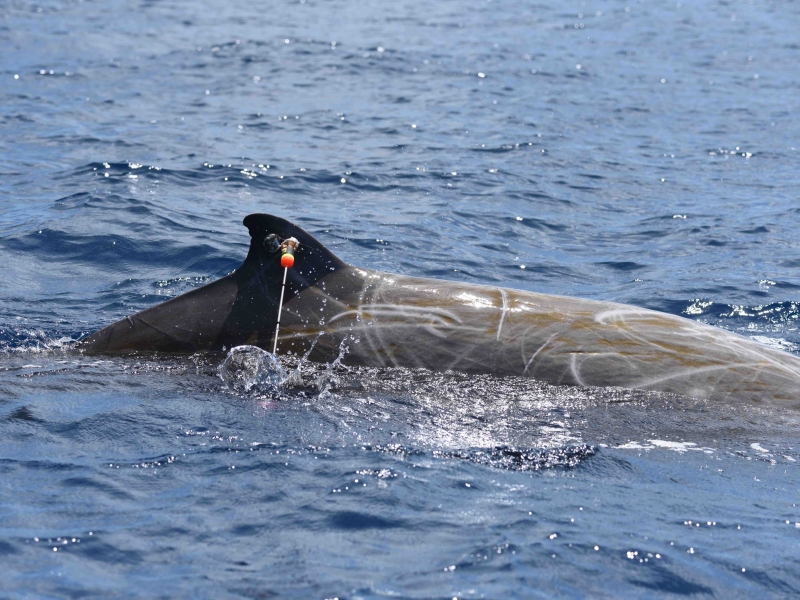
Atlantic Behavioral Response Study kicks off 2021 field season
July 13, 2021
The Atlantic Behavioral Response Study kicked off the 2021 field season last week by deploying the first round of satellite-linked telemetry tags on Cuvier's beaked whales.
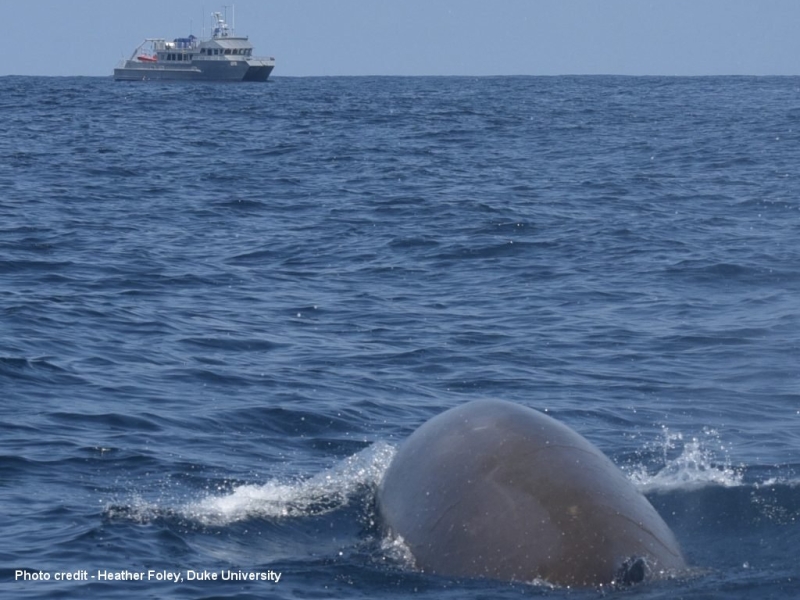
Atlantic BRS - First CEE of 2020
July 17, 2020
The first CEE of 2020 overcame the challenges of COVID-19.
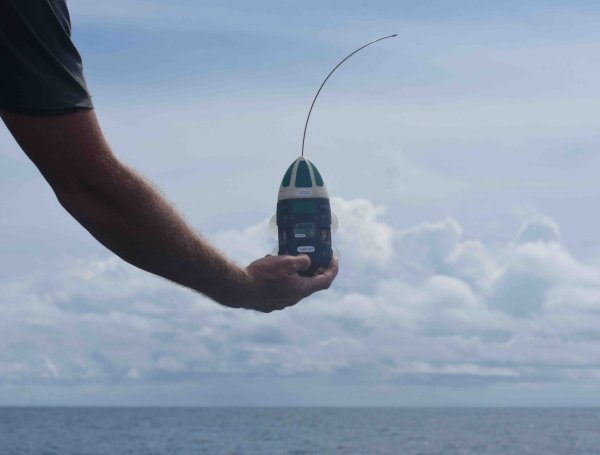
Atlantic BRS - Multi-scale CEE Success!
August 15, 2019
The first CEE while two different tag types were deployed.
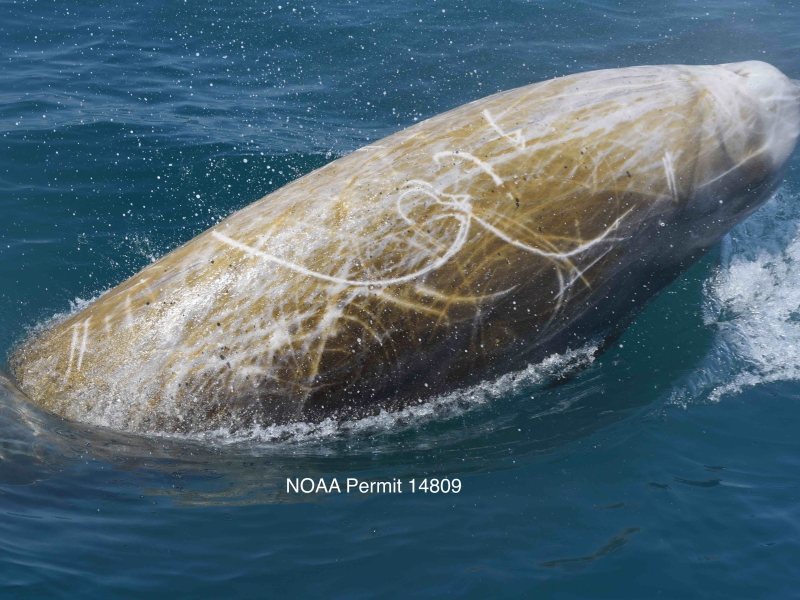
Atlantic BRS 2018 Field Work is Underway
May 18, 2018
The 2nd year of Atlantic BRS has begun.
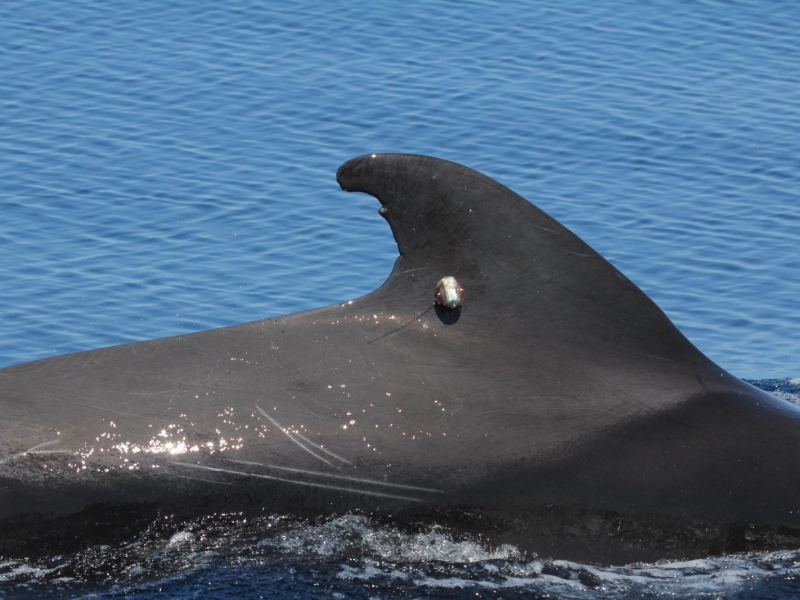
Atlantic BRS 2017!
May 22, 2017
The Atlantic BRS efforts are underway.
No related presentations or posters to display
